
Chemical Name:Polyethyl Silicate SI40
CAS No.:11099-06-2
Product Categories:Organic Chemistry
Molecular Formula:C₂H₆O₃Si
Formula Weight:106.15274
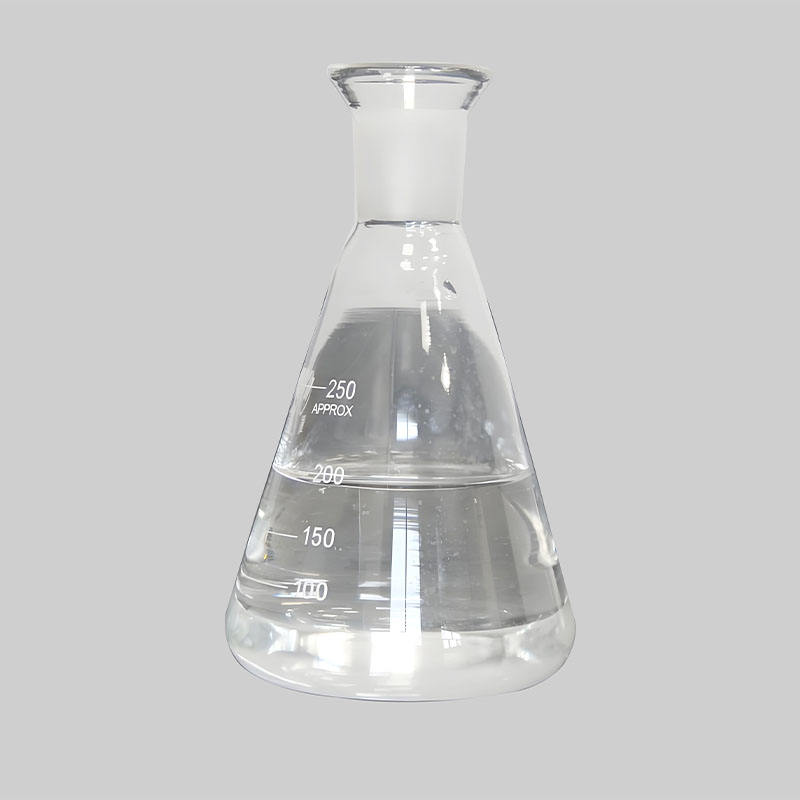
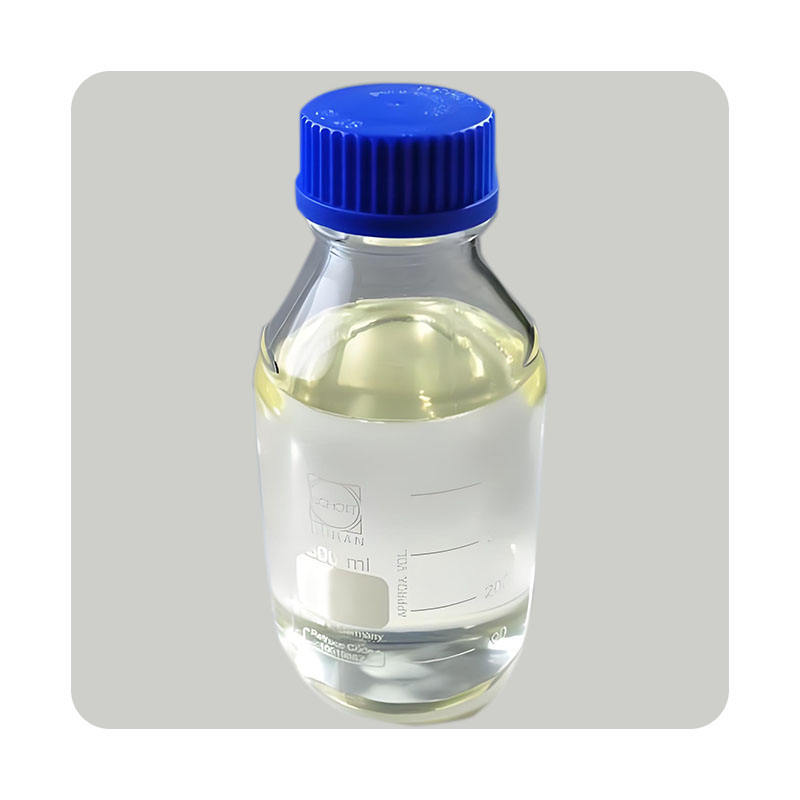
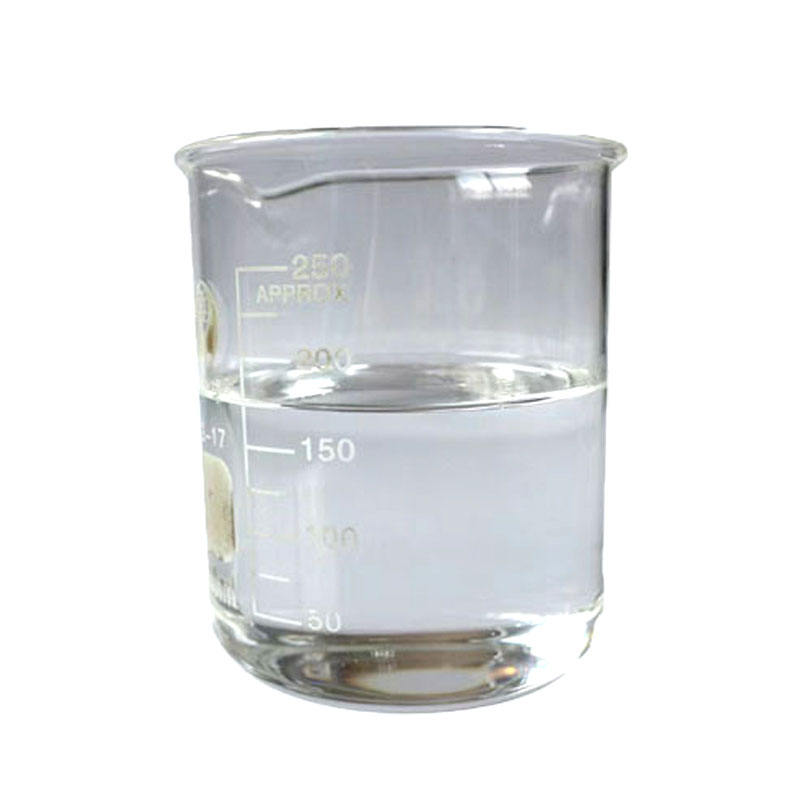
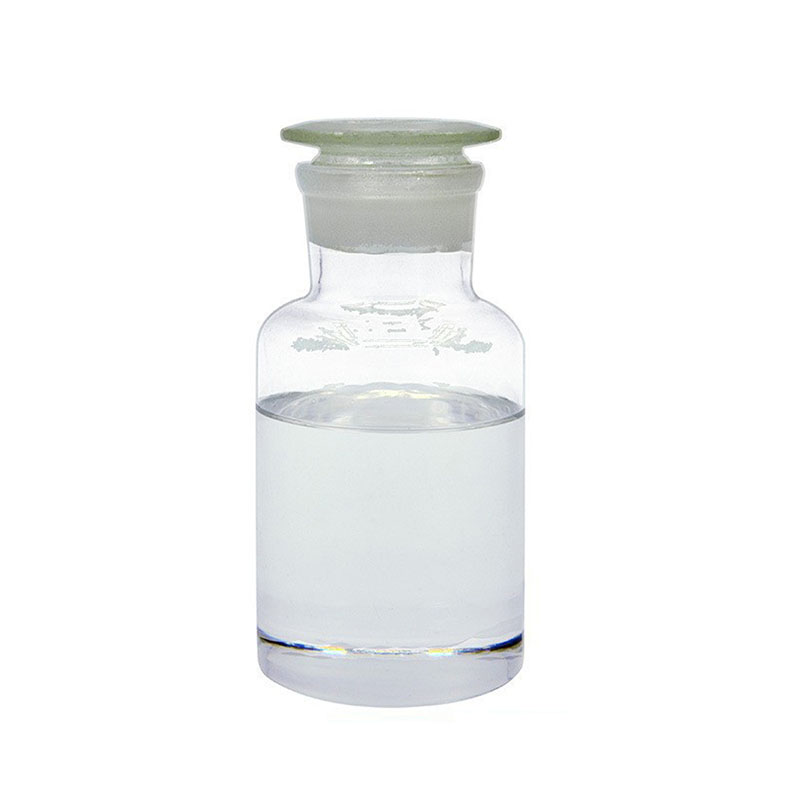
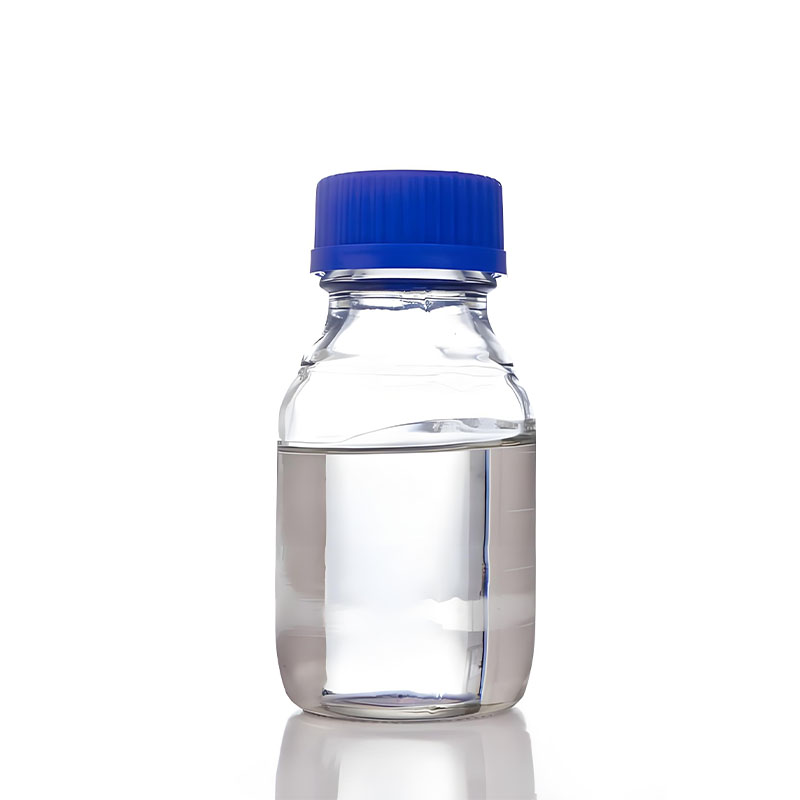
Appearance:Colorless transparent liquid
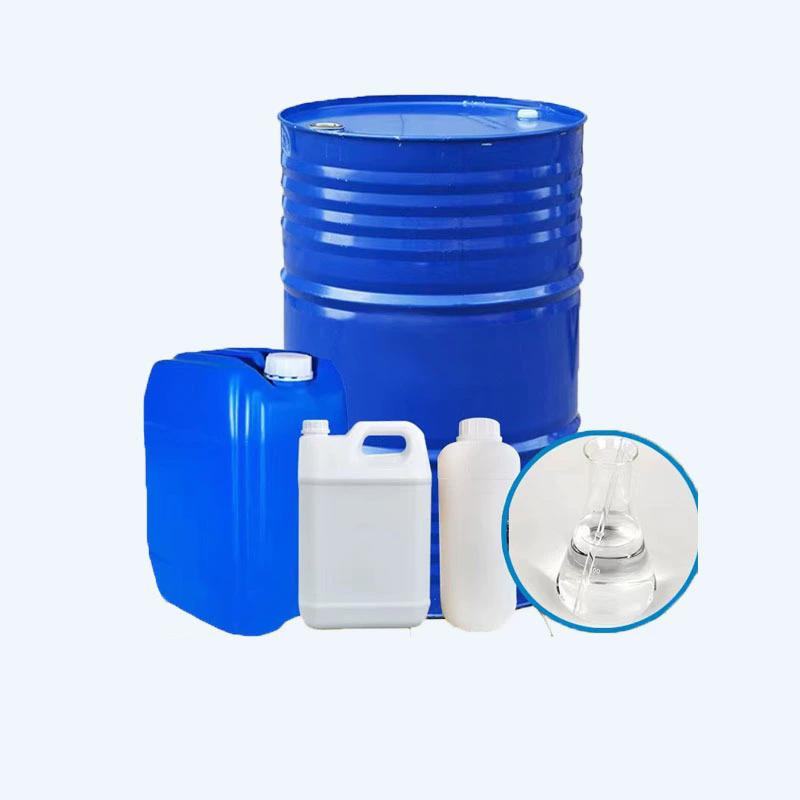
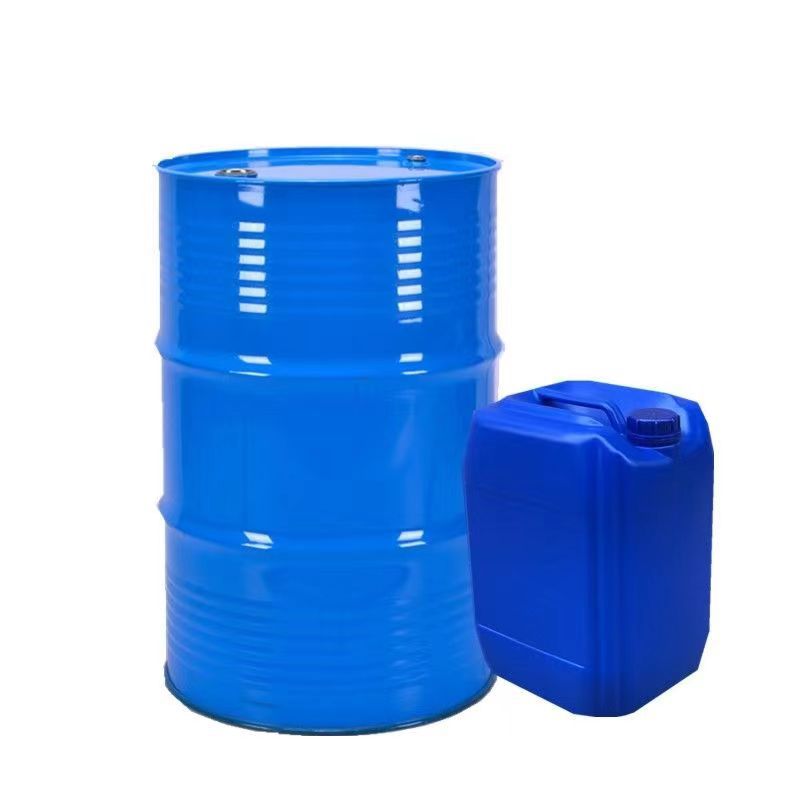
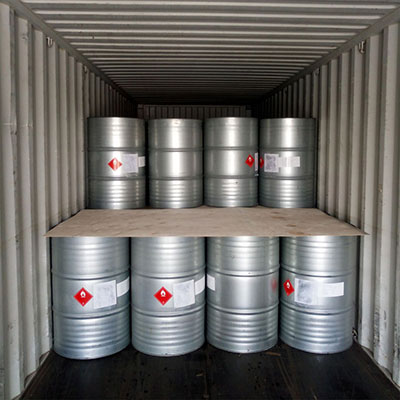
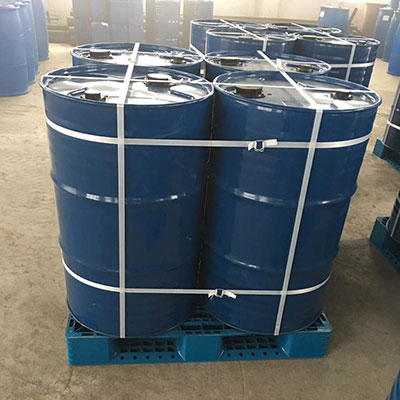
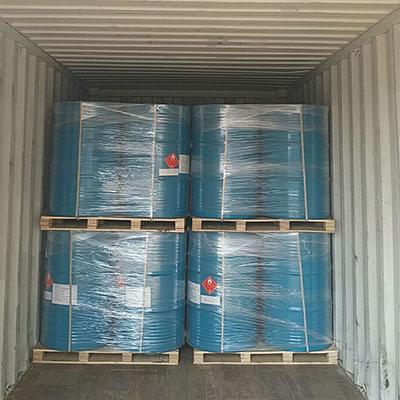
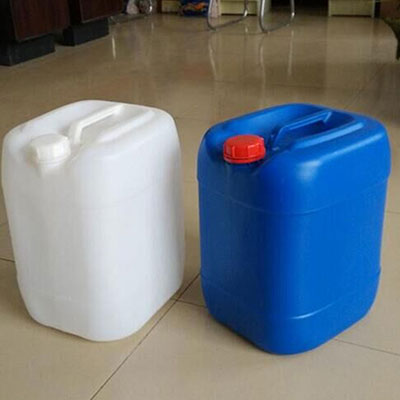
Packaging Method:25KG/200L Plastic Drum
Type Of Transportation:By Air/By Sea/By Train/By Express
Sample:Available
‹
›
‹
›
Product Description Of
Density (25°C): 0.920–1.020 g/cm³
Refractive Index (25°C): 1.400–1.430
Viscosity (25°C): Low viscosity fluid
Flash Point: About 45 °C
Purity: ≥98%
Solubility: Soluble in ethanol, toluene, xylene and most organic solvents; sensitive to moisture, hydrolyzes slowly in humid environment and releases ethanol.
Chemical Characteristics
It is a low molecular weight oligomer formed by hydrolysis and condensation of methyltriethoxysilane. The molecular structure contains methyl hydrophobic groups and residual hydrolyzable ethoxy groups. It can cure with moisture at room temperature to form a dense Si-O-Si inorganic network film, featuring neutral curing, excellent hydrophobicity, weather resistance and no corrosion to substrates.
Chemical Properties Of
Safety Information Of
Product Application Of
Building Waterproofing & Protective Agent
Used as penetrating hydrophobic agent for concrete, stone, brick, cement mortar and exterior wall materials. It forms breathable and water-repellent coating without changing the original appearance of the substrate, providing anti-permeability, frost resistance and aging resistance.
Crosslinking Agent for Neutral RTV Silicone Rubber
Served as curing crosslinker for one-component neutral silicone sealant and room temperature vulcanized silicone rubber. It features stable curing, good elasticity and no corrosion to metal materials.
Raw Material for Silicone Resin & Coatings
Used for synthesizing methyl silicone resin, high temperature resistant coatings and weather-proof inorganic hybrid coatings. It improves film hardness, abrasion resistance, water resistance and outdoor weatherability.
Surface Modification of Inorganic Materials
Applied to surface treatment of glass, ceramic, optical materials and inorganic fillers such as silica and calcium carbonate. It enhances hydrophobicity, antifouling performance and compatibility with organic resins.
Release Agent & Industrial Additive
Used as high-efficiency release agent for rubber and plastic molds, with low surface energy, good demolding effect and no residue.
Cultural Relics & Ancient Building Protection
Suitable for moisture-proof, anti-corrosion and weathering protection of historic buildings, stone relics and wood materials.
Packaging Method Of
Factory Show


Professional Service
Interested? Leave your contact details.
Search Starts Here