
Chemical Name:Dibutyltin Dilaurate
CAS No.:77-58-7
Product Categories:Organic Chemistry
Molecular Formula:
Formula Weight:
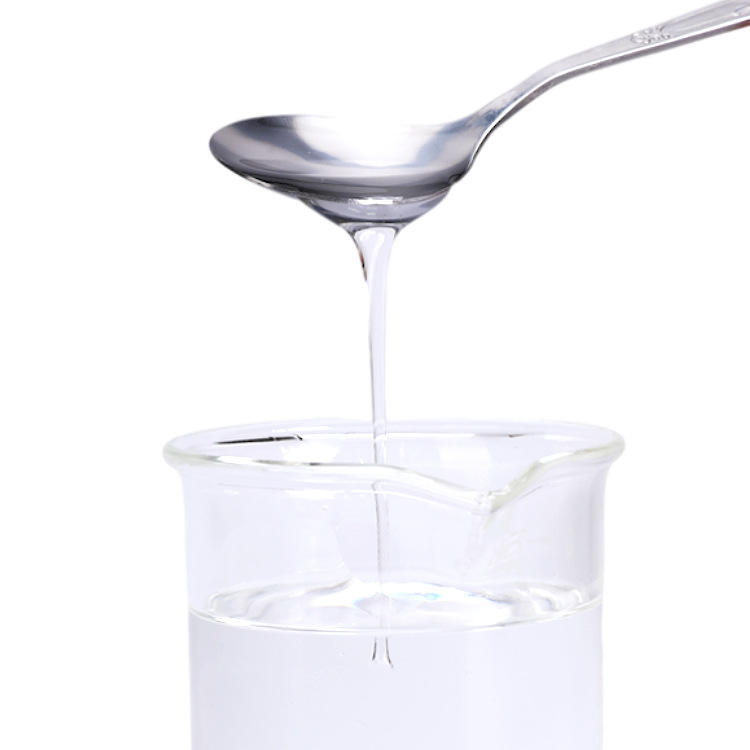
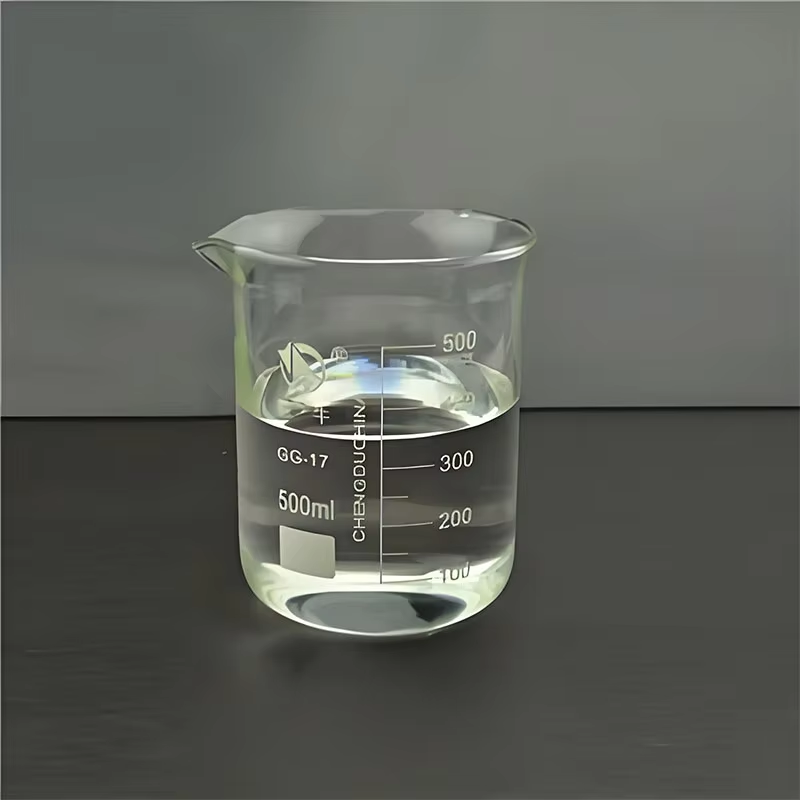
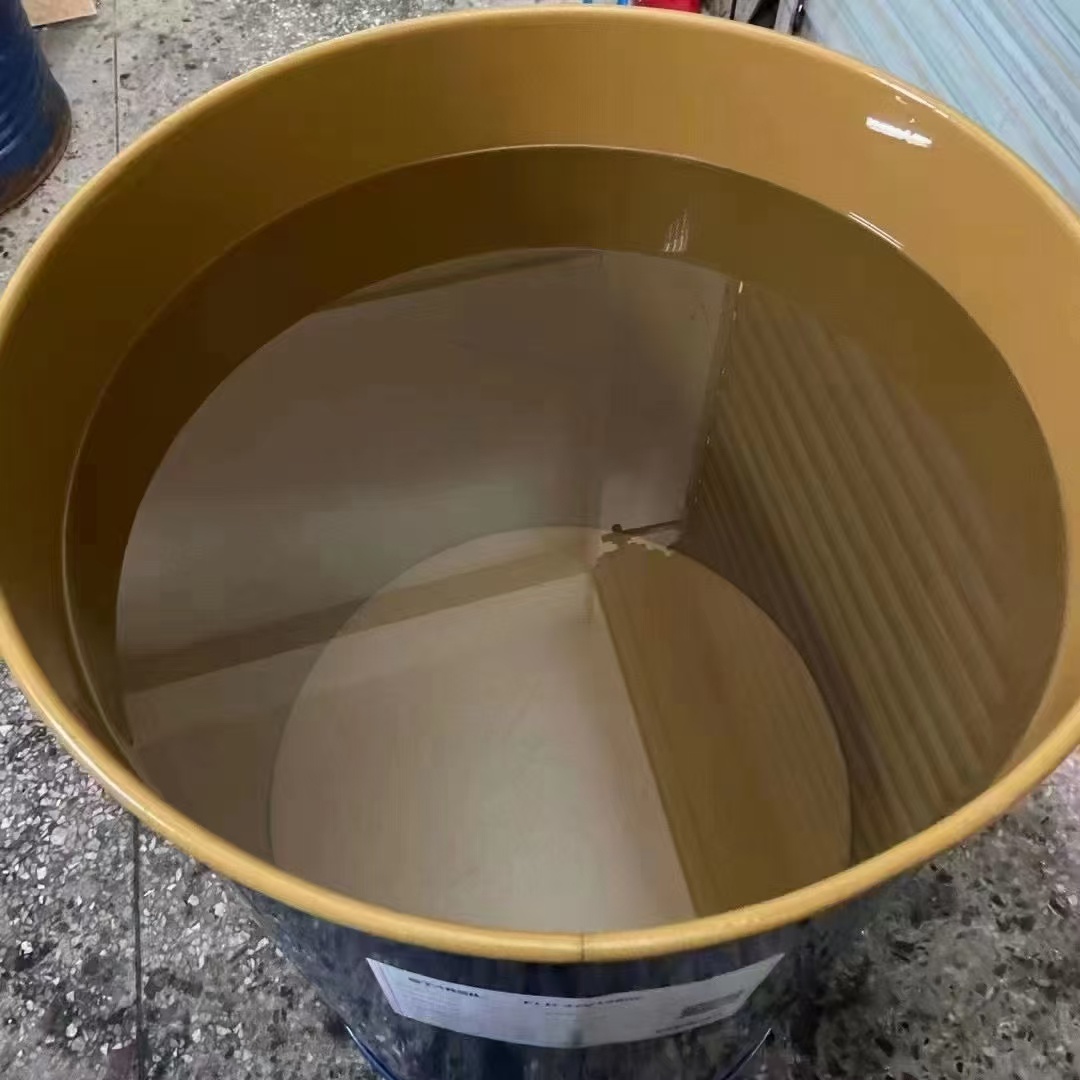
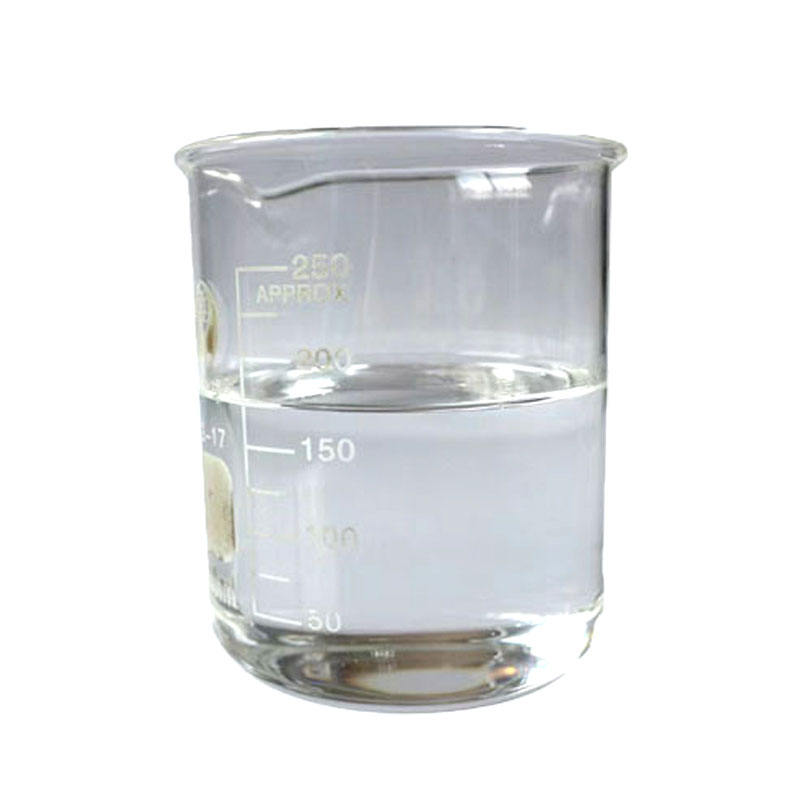
Appearance:Colorless transparent liquid
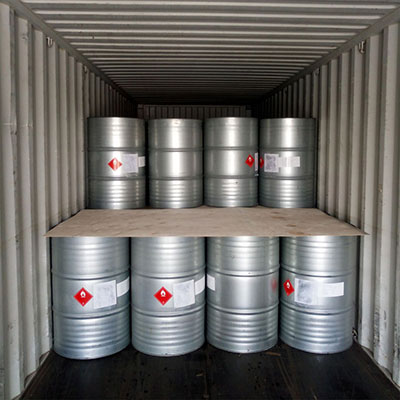
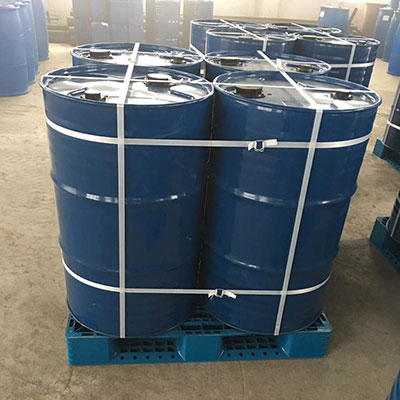
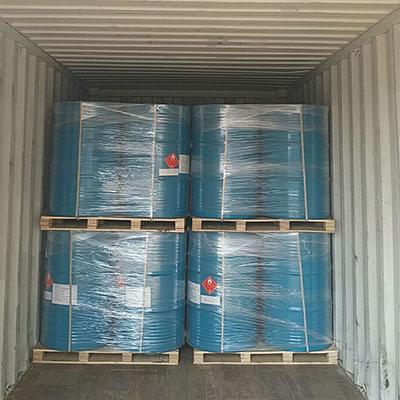
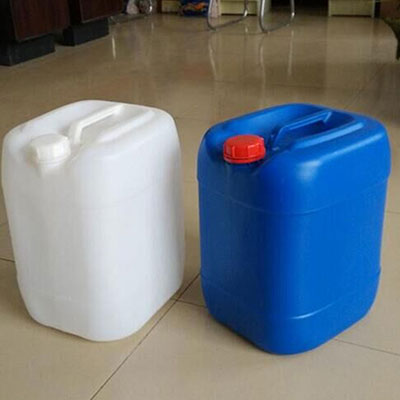
Packaging Method:25KG/200L Plastic Drum
Type Of Transportation:By Air/By Sea/By Train/By Express
Sample:Available
‹
›
‹
›
Product Description Of
Density: 1.04-1.06 g/cm³
Refractive Index: 1.462-1.468
Freezing Point: Below -10℃
Flash Point: ≥110℃
Solubility: Insoluble in water, soluble in most organic solvents, grease and resin
Chemical Stability: Stable at room temperature, easy to hydrolyze when exposed to moisture
Catalytic Performance: High catalytic efficiency, excellent heat resistance
Volatility: Low volatility
Characteristic: Slightly special odor, belongs to organotin compound
Chemical Properties Of
Safety Information Of
Product Application Of
Polyvinyl Chloride (PVC) ProcessingAs a highly effective heat stabilizer, dibutyltin dilaurate significantly enhances the thermal stability of PVC and prevents its degradation during high-temperature processing. It effectively captures and neutralizes hydrogen chloride (HCl) generated during PVC degradation, preserving the physical properties of PVC products and extending their service life. Additionally, it exhibits excellent lubricating properties, improving material flow in extruders or injection molding machines, reducing friction during processing, boosting production efficiency, and lowering energy consumption.
Polyurethane (PU) IndustryDibutyltin dilaurate is one of the commonly used catalysts in the synthesis of polyurethane foams. It accelerates the reaction between isocyanates and polyols, controls the foaming process, and ensures the uniformity and quality of the foam. In the production of rigid polyurethane foams, it produces a synergistic effect with amine-based catalysts, making it suitable for high-speed catalytic rigid foam manufacturing.
Organic Synthesis and Polymerization ReactionsDibutyltin dilaurate promotes various cross-linking reactions, such as cross-linking of acrylate rubber and carboxyl rubber, as well as transesterification in polyester synthesis. Furthermore, it acts as a catalyst for room-temperature vulcanized silicone rubber, accelerating the cross-linking rate of silicone rubber, shortening curing time, and improving production efficiency.
Other ApplicationsDibutyltin dilaurate is also used in the production of elastomers, sealants, coatings, and paints to enhance their processability and product performance. In environmental engineering, it serves as a catalyst in wastewater treatment to help remove harmful substances. In the electronics and semiconductor industry, it promotes the curing of epoxy resins and silicone rubber to form stable encapsulation layers that protect electronic components.
Packaging Method Of
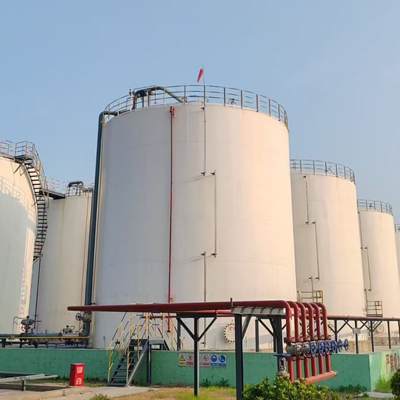
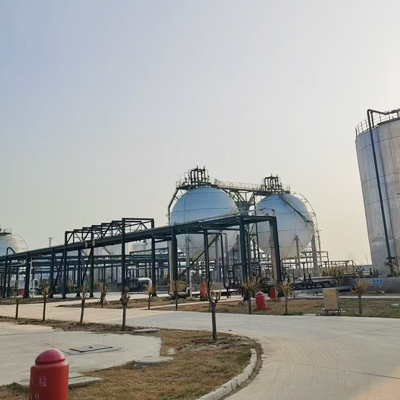
Factory Show
Related Products

Professional Service
Interested? Leave your contact details.
Search Starts Here